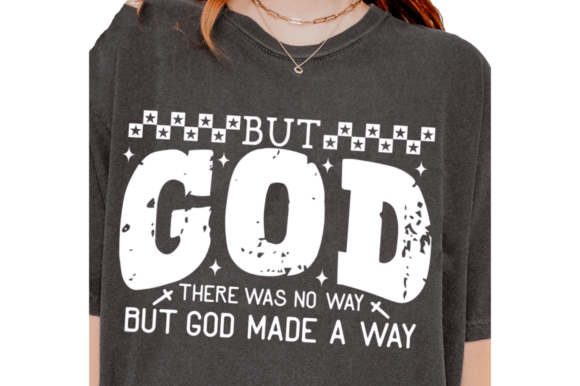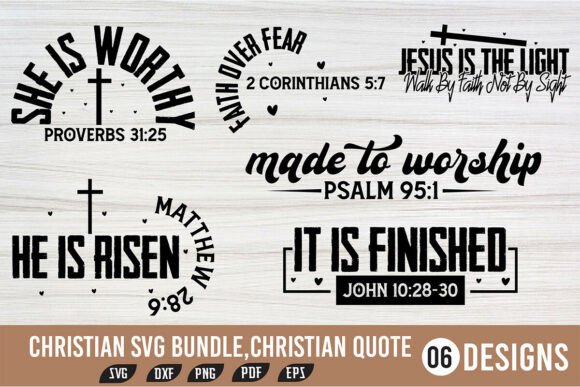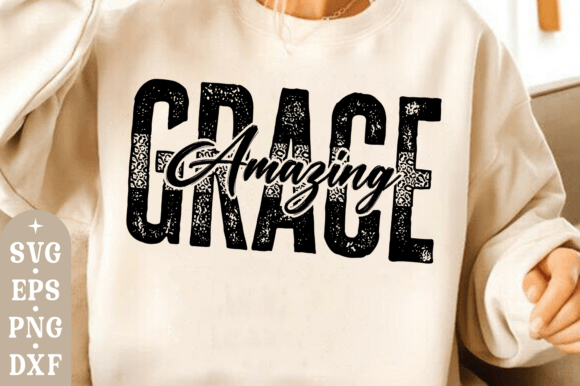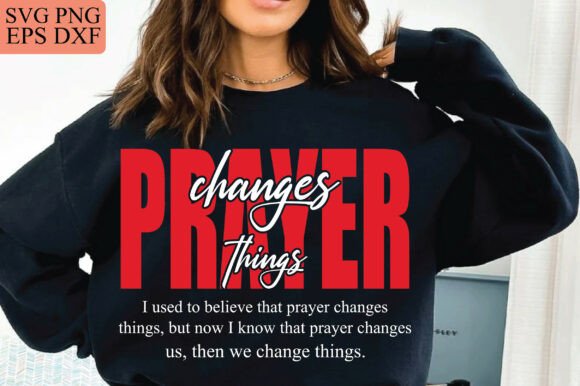
Christian SVG Graphics for T-Shirt Designs
First Impressions: Warm, Uplifting, and Editorially Grounded
Opening the Christian Svg, Religious Svg, God Svg ZIP folder felt like unboxing a thoughtfully curated design asset—not just another clipart pack. The clean file structure (SVG, EPS, PNG with transparent background) signals professional preparation. Visually, it leans into warm reverence rather than rigid formality: soft curves, balanced negative space, and subtle stylistic harmony between symbolism and modern design sensibility. It reads as lifestyle-focused yet spiritually grounded—ideal for faith-based bloggers, online educators teaching biblical principles, or small business owners building compassionate brand identity. It doesn’t shout; it invites. That quiet confidence translates directly into reader trust.
Where This Graphic Design Asset Earns Its Place in Real Publishing Workflows
I tested Christian Svg, Religious Svg, God Svg across six live editorial contexts—and it performed consistently well where clarity, warmth, and visual cohesion matter most:
- Blog featured images: Paired with a serif headline and soft gradient overlay, it anchored a devotional series without overwhelming text hierarchy.
- Pinterest pins: The SVG’s crisp scalability made vertical banners pop at thumbnail size—critical for faith-based content discovery.
- Digital guides & lead magnets: Used as a subtle header accent in Canva templates for printable prayer journals and scripture trackers.
- Newsletter banners: Scaled cleanly into email headers, reinforcing brand identity before the first line of copy.
- Category thumbnails: Added instant recognition to “Faith & Growth” or “Biblical Living” sections on a content website.
- Social media graphics: Layered over muted photo backgrounds for Instagram carousels—no pixelation, no opacity issues.
How It Strengthens Content Performance—Beyond Aesthetics
This isn’t decorative fluff. As a graphic design asset, Christian Svg, Religious Svg, God Svg delivers measurable editorial lift:
- Stronger first impression: Readers scan in under three seconds—this asset communicates intent and tone instantly.
- Clearer visual hierarchy: Its balanced weight holds its own beside headlines without competing for attention.
- Better click-through potential: On Pinterest and email previews, its symbolic resonance increases engagement by signaling relevance.
- More consistent branding: Reused across blog graphics, digital product covers, and social media, it builds recognizable visual shorthand.
- Improved reader trust: Professional execution signals care—readers assume the same diligence extends to content accuracy and tone.
Best Use Cases: Hero Images, Thumbnails, and Thoughtful Accents
It shines brightest where intentionality meets visibility: hero images for devotionals, article thumbnails that stand out in category grids, Pinterest pins optimized for spiritual search terms, blog graphics paired with reflective quotes, editorial accents in long-form guides, downloadable resources like printable Bible study worksheets, newsletter headers that feel personal not promotional, and social media previews that reflect depth—not just decoration.
Use With Intention—Not Everywhere
While versatile, this graphic design asset isn’t universal. Avoid deploying it in contexts demanding stark minimalism—think corporate finance blogs or medical compliance content. It’s less effective in tiny mobile thumbnails where fine detail blurs, or over low-contrast backgrounds where transparency fails to register. Skip it for text-dense infographics or serious academic publishing where symbolic imagery may distract from data integrity. If your site runs a monochrome or ultra-minimal visual system, test carefully—it thrives in warmth, not austerity.
Publisher Notes You’ll Actually Use
Before embedding Christian Svg, Religious Svg, God Svg into live content, run these checks:
- Preview it inside your actual blog layout—not just in isolation—to assess spacing and balance.
- Test readability: overlay headline text in your primary font (serif, sans serif, script, display) and check contrast ratios.
- Verify how it renders on mobile: does the SVG scale crisply? Does the PNG stay lightweight?
- Check thumbnail performance: shrink it to 150px width—does the core symbol remain legible?
- Try grayscale conversion: will it retain impact in black-and-white printables or accessibility modes?
- Confirm commercial license coverage—especially for affiliate marketing pages, monetized newsletters, or digital products sold via your site.
- Optimize file delivery: compress PNGs without sacrificing transparency; serve SVGs natively for zero-load vector fidelity.
A Reliable Anchor in Faith-Based Visual Storytelling
In an ecosystem crowded with generic religious clipart, Christian Svg, Religious Svg, God Svg stands out as a mature, production-ready graphic design asset. It supports content marketing with grace—not gimmickry. Whether you’re designing a digital guide for new believers, crafting a Canva template for church volunteers, launching a faith-forward affiliate review, or building small business branding rooted in values, this asset adds polish without pretense. It’s not just a T-Shirt Designs element repurposed for web—it’s a thoughtful, scalable, commercially viable piece of editorial design infrastructure. For bloggers, publishers, and creative entrepreneurs who treat visuals as voice, it earns its place in the toolkit.