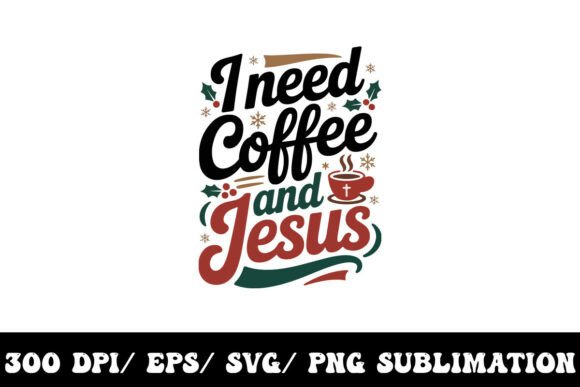
Coffee and Jesus PNG, Christian PNG
A Designer’s First Look: Warm, Witty, and Ready for Stitching
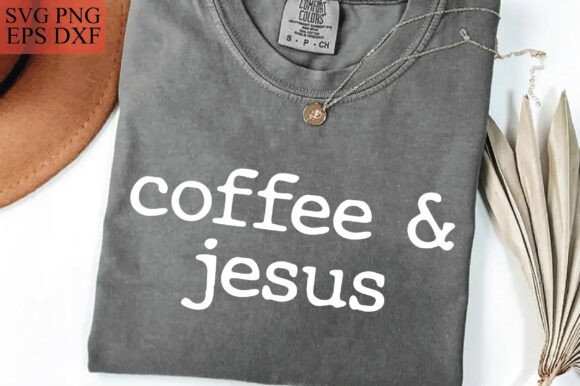
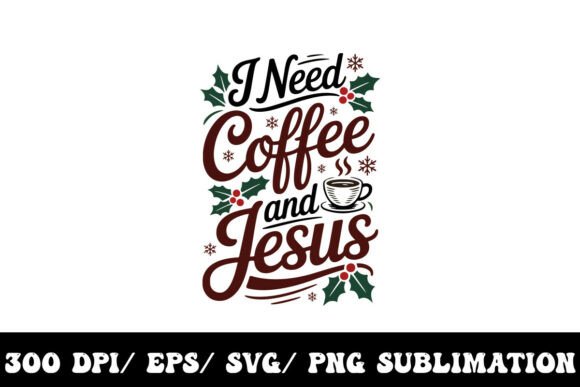
When I opened the Coffee and Jesus PNG, Christian PNG file, I didn’t see just another faith-based graphic—I saw a mood. It’s cozy but confident, reverent but relaxed—like a Sunday morning in a well-worn kitchen with a steaming mug and quiet gratitude. The composition balances simplicity and intention: a stylized coffee cup cradling a subtle cross or halo motif, clean lines, moderate negative space, and typography that feels handwritten but legible. As a machine embroidery design, its strength lies in how easily it translates from screen to stitch—not too dense, not overly fussy, and built for recognition at a glance.
This Design Lives on Tote Bags, Sweatshirts, and Nursery Pillows
I tested Coffee and Jesus PNG, Christian PNG as the centerpiece of a custom embroidered tote bag for a local church café pop-up—and it worked beautifully. The design scaled cleanly to 4.5” wide, held detail across cotton canvas, and stitched out evenly with standard stabilizer. It also translated well onto a lightweight sweatshirt (medium-weight fleece), where the satin stitch around the cup rim gave just enough shine without snagging. On baby onesies? I resized it to 3”, simplified thread colors to two (cream and charcoal), and used tear-away + cutaway combo stabilizer—no puckering, no skipped stitches. That flexibility matters: this isn’t a one-trick graphic. It fits naturally on aprons for Christian bakeries, tea towels for faith-based subscription boxes, pillow covers for nursery decor, and even small embroidered patches for youth group jackets.
Where It Shines—and Where to Pause
Coffee and Jesus PNG, Christian PNG performs best on stable, medium-weight fabrics: cotton twill, midweight knits, linen blends, and quilting cotton. It holds up well on dark fabric when paired with high-contrast thread (e.g., white or ecru on navy or charcoal). On light backgrounds, it reads clearly even in single-color embroidery—ideal for minimalist boutique branding or printable mockups you’ll use to pitch to small shop owners.
That said, proceed thoughtfully on stretchy fabric like jersey or thin rayon. The design includes fine interior lines and modest curves—details that can blur or distort without proper stabilization and hooping technique. On curved surfaces like caps or beanies, test placement first: the top arc of the cup may compress awkwardly near the crown seam unless digitized for contoured stitching (which this PNG-based graphic doesn’t guarantee—you’ll need to confirm if an embroidery file version exists). Also, avoid cramming it into hoops smaller than 4”x4”: the lettering and symbolic elements lose clarity below that size.
Stitch Density & Detail: Practical Notes for Embroidery Designers
This is a digital embroidery file concept—not a pre-digitized stitch file—so your actual stitch density, underlay, and pull compensation will depend entirely on your digitizer or software. That means: always run a test on scrap fabric matching your final product’s weight and texture. Check how the cup handle reads in fill stitch, whether the cross element stays crisp in satin stitch, and if any running-stitch accents hold definition after washing. If you’re adapting Coffee and Jesus PNG, Christian PNG into an applique design, leave at least 1/8” seam allowance and reinforce edges with zigzag or satin border.
What It Adds to Your Craft Business—Beyond Aesthetics
For Etsy sellers and small shop owners, this design quietly builds trust. It’s not kitschy or cliché—it reflects lived faith with warmth, not dogma. Customers notice that. When I added it to a set of embroidered kitchen towels sold as “Faith-Fueled Hostess Gifts,” buyers specifically mentioned how the design felt “genuine” and “not preachy.” That authenticity lifts perceived value, supports premium pricing, and encourages repeat engagement. As a handmade product, it signals care—not just craft. And for commercial embroidery projects, its balanced proportions and moderate detail make it scalable across product types without constant redesign.
Before You Stitch: Six Must-Do Checks
- Test on scrap fabric that matches your final garment’s weight, stretch, and finish.
- Review thread color contrast—especially if embroidering on dark or textured fabric.
- Confirm hoop size compatibility; avoid forcing it into sub-4” hoops without simplifying details.
- Inspect small corners and interior shapes—like the cup’s inner curve or cross outline—for potential stitch crowding.
- Use appropriate stabilizer: cutaway for knits, tear-away for stable wovens, and fusible for lightweight linens.
- Verify licensing terms before selling finished products or reselling digital assets—this is a digital download, not a commercial-use license by default.
Fitting Into Real Creative Workflows
As a designer who regularly sources graphics for client embroidery projects, I appreciate how Coffee and Jesus PNG, Christian PNG slots into multiple roles: it’s a strong tote bag design, a thoughtful sweatshirt embroidery option for ministry teams, and a gentle baby embroidery motif when softened with pastel threads. It works for holiday embroidery (think “Advent Morning Mug” pillows) and wedding gifts (“Brewed With Love” napkin sets). For digital product sellers, it’s a smart addition to curated bundles—paired with scripture-themed borders or coffee-bean motifs—but only if your license permits redistribution.
Ultimately, Coffee and Jesus PNG, Christian PNG earns its place not because it’s trendy, but because it’s usable. It respects the craft: simple enough to stitch reliably, meaningful enough to resonate, and versatile enough to grow with your creative business—from first-time hobbyist to seasoned apparel decorator.