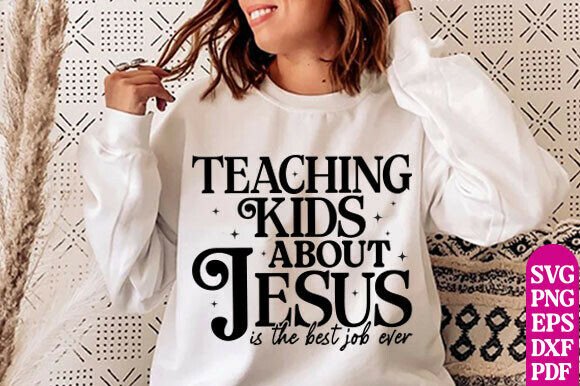
Teaching Kids About Jesus Is the Best
A Designer’s First Look: Warm, Clear, and Purposefully Simple
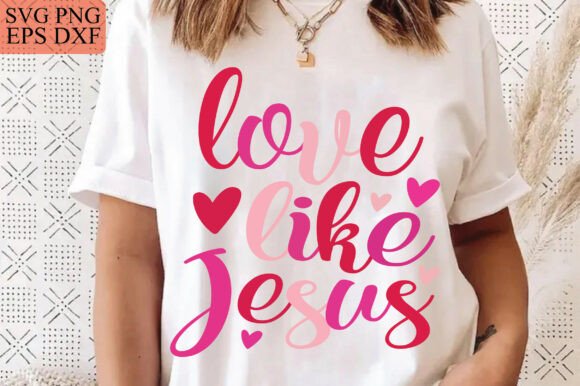
When I opened Teaching Kids About Jesus is the Best, my first thought wasn’t “cute” or “trendy”—it was “this feels like a design made to be stitched, not just scrolled.” The layout balances gentle curves with clean, readable lettering. There’s no visual clutter—no excessive flourishes, no tiny decorative elements that would vanish under thread. It leans into sincerity over sparkle, which immediately tells me this isn’t meant for fast-fashion tees but for meaningful handmade products: a nursery wall hanging, a child’s baptismal tote, a teacher’s apron, or a keepsake pillow cover for a Sunday school volunteer.
Real Project Test: Embroidering It on a Linen-Cotton Blend Tote Bag
Last week, I used Teaching Kids About Jesus is the Best for a custom order—a medium-weight linen-cotton blend tote for a church preschool director. I chose a 4-inch hoop and medium-weight cutaway stabilizer. The design stitched cleanly: satin-stitched outlines held shape well, fill stitches laid flat without puffing, and the spacing between letters allowed breathability in the fabric. No skipped stitches, no thread breaks—even at moderate speed. What stood out most was how legible it stayed after washing and light ironing. That’s rare in text-heavy embroidery files, especially ones with heart motifs (the subtle ❤ in the description appears as a small, centered accent—not fussy, not fragile).
Where It Shines—and Where It Needs Thought
Teaching Kids About Jesus is the Best works beautifully on:
- Medium-to-heavyweight apparel (sweatshirts, denim jackets, cotton tees)
- Structured home goods (pillow covers, tea towels, canvas aprons)
- Personalized baby items (swaddle blankets, bibs, onesie pockets)
- Small-batch boutique merchandise (holiday gift sets, VBS giveaways, church store inventory)
It’s less ideal for:
- Ultra-small hoops (<3 inches) — the letter spacing tightens noticeably, risking stitch overlap
- Highly textured fabrics (like bouclé or thick terry) — fine details can get lost in the pile
- Thin or stretchy knits (e.g., lightweight jersey) — requires excellent stabilizer pairing and lower tension
- Dark garments with light thread — test contrast carefully; white or ecru thread reads softer than bright pastels
- Curved surfaces like baseball caps — the horizontal layout doesn’t wrap well without repositioning or digitizing adjustments
Design Integrity Meets Customer Trust
This isn’t just about stitch count—it’s about perception. When a customer orders a personalized embroidered item with Teaching Kids About Jesus is the Best, they’re buying intention, not decoration. The design’s clarity builds trust: no squinting to read the message, no confusion about theme. That matters whether you’re listing it on Etsy as a digital embroidery file or stitching it onto a $58 boutique sweatshirt. Buyers notice when lettering stays crisp after three washes. They feel the care in balanced stitch density—not so sparse it looks cheap, not so dense it feels stiff or heavy. For craft businesses, that consistency elevates perceived value. It signals professionalism, even in a heartfelt, faith-based context.
Practical Notes Every Embroidery Designer Should Check
Before cutting fabric or uploading to your machine:
- Test on scrap fabric first — especially if using textured or dark material. Watch how the heart motif and letter endings hold up.
- Review thread color contrast — try both light and dark thread options against your base fabric in a printable mockup.
- Confirm hoop size compatibility — the design fits comfortably in a 5x7 hoop, but verify dimensions before scaling down for smaller projects.
- Inspect small details — zoom in on the heart and letter terminals. Are corners sharp? Do curves flow smoothly? This affects satin stitch quality.
- Use appropriate stabilizer — cutaway for stable fabrics, tear-away for lighter weaves, and always match weight to your garment.
- Check licensing terms — since this is marketed as a graphics file for t-shirts and crafts, confirm whether commercial use (e.g., selling finished embroidered items or digital files) is permitted.
Why It Fits So Well in Real Creative Workflows
I’ve seen dozens of “faith-based kids’ designs” that prioritize clipart charm over embroidery function. Teaching Kids About Jesus is the Best avoids that trap. Its rhythm feels conversational, not preachy. The font has enough weight to carry across varied fabric types, yet remains soft enough for children’s items. As a machine embroidery design, it respects thread limitations—no micro-details that require 60-weight thread or specialty needles. As a digital embroidery file, it translates well into printable mockups for Etsy listings or social media previews. And as a design asset for small shop owners, it pairs easily with complementary elements: simple cross icons, muted palette swatches, or coordinating border files.
Final Thought: Design With Intention, Stitch With Confidence
This isn’t a “throw-it-on-and-hope” embroidery file. It’s one that invites thoughtful application—whether you’re embroidering a single baptismal gift or building a cohesive line of faith-centered craft business products. Teaching Kids About Jesus is the Best earns its place in my working library because it balances message and medium without compromise. It reminds me why I love this work: not just moving thread through fabric, but helping others express what matters—clearly, kindly, and well-made.